 STRATEGIC HOSPITALITY & DESTINATION ADVISORY
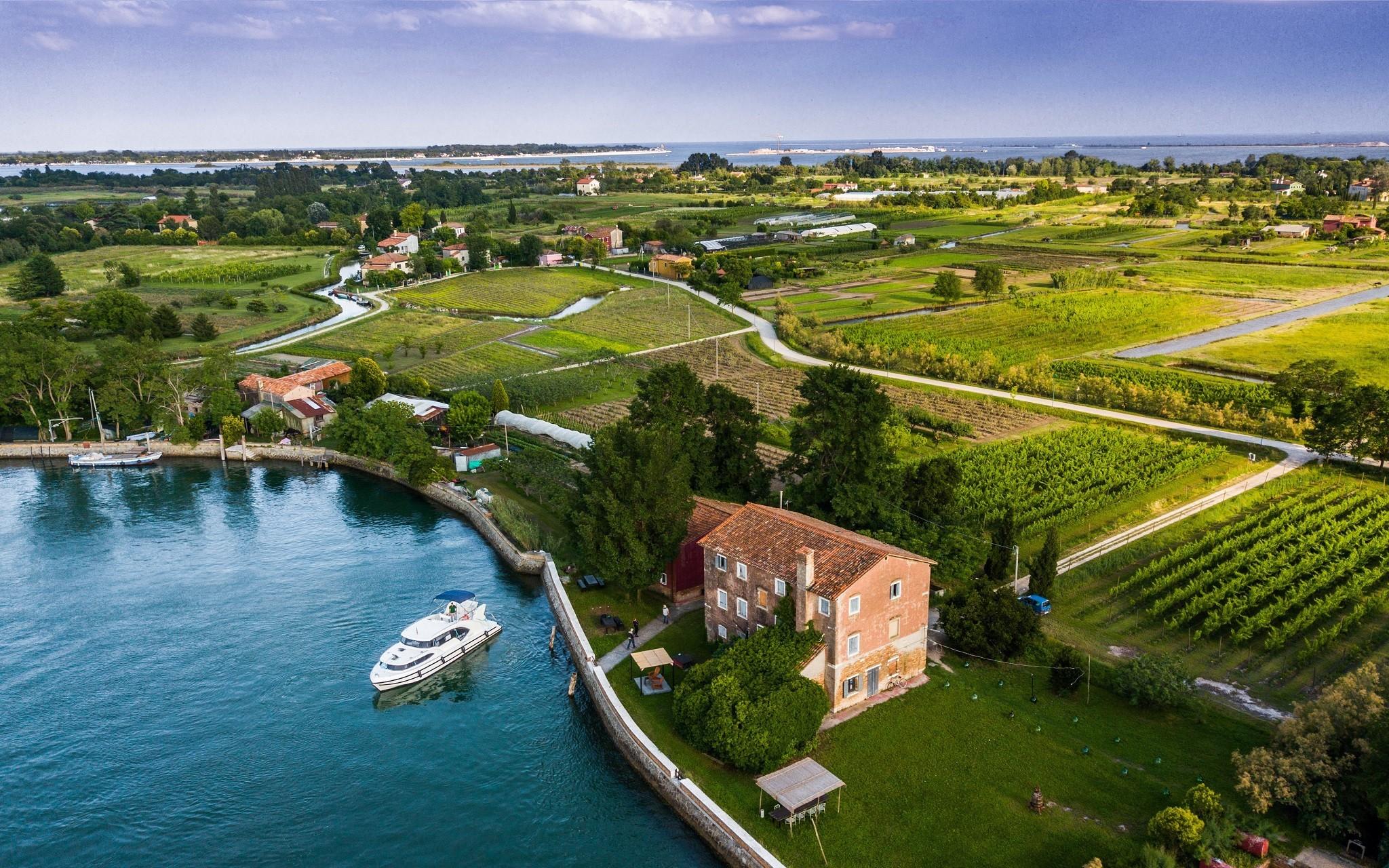
Venice is often described through its palaces, waterways and artistic heritage. Yet understanding a less familiar part of its identity requires leaving the historic centre and travelling to Sant'Erasmo. Here, in the northern lagoon, the pace changes. Vegetable gardens, vineyards, cultivated fields and rural homes reveal an island where agricultural life remains an important part of the landscape.
Sant'Erasmo is traditionally known as the vegetable garden of the Venetian Republic. Its agricultural production historically supplied the city's markets and continues to represent an important connection between Venice and its lagoon territory. The island is home to vegetable cultivation, vineyards and small agricultural holdings, within an environment where insularity and soil characteristics shape the work of local growers. venezia-unica-fe+1
Its most recognisable product is the Carciofo Violetto di Sant'Erasmo, protected through a growers' consortium and recognised as a Slow Food Presidio. Its castraure, the first small buds harvested during the spring season, are particularly valued for their tenderness and culinary qualities. Protecting this product is not simply a matter of commercial identity: it helps preserve the relationship between cultivation, local heritage and the economic sustainability of agricultural businesses. cheese.slowfood.it+1
The 2026 growing season offered a concrete illustration of both the challenges and opportunities facing this form of agriculture. In April, Coldiretti Venezia reported an early start to harvesting, supported by winter rainfall following previous periods of water stress. The earlier harvest also created a market overlap with production from other Italian regions, demonstrating how agricultural timing and market dynamics can affect the economic returns of an island-grown crop. VENEZIA
For quality-focused restaurants, Sant'Erasmo offers an important perspective on the meaning of a short supply chain. Using a local ingredient should be more than a menu choice or a sustainability statement. It involves knowing the producer, respecting seasonality, understanding cultivation costs and recognising the value of agricultural work. Restaurants that build lasting relationships with local farms can help sustain forms of production that might otherwise lose ground to more standardised supply models.
This perspective also matters to high-end hospitality. For international travellers, discovering a destination through its producers, understanding the origin of an ingredient or experiencing cuisine shaped by the seasons can add greater meaning to a stay than a simple sequence of dining experiences. Exclusivity does not necessarily mean access to something rare. It can also be found in the quality of the relationships that make an experience possible.
Sant'Erasmo also encourages a broader understanding of destination development. Agriculture, mobility, environmental protection and the continuity of local businesses are interconnected. An island cannot be meaningfully valued through its image alone: the conditions must exist for the people who live and work there to continue doing so.
Perhaps this is Sant'Erasmo's most interesting lesson for contemporary travel. Just a short boat journey from one of the world's most visited cities lies a landscape that does not need to be reinvented to be meaningful. It needs to be understood, respected and included in a model of hospitality that recognises the value of what keeps it alive.