 STRATEGIC HOSPITALITY & DESTINATION ADVISORY
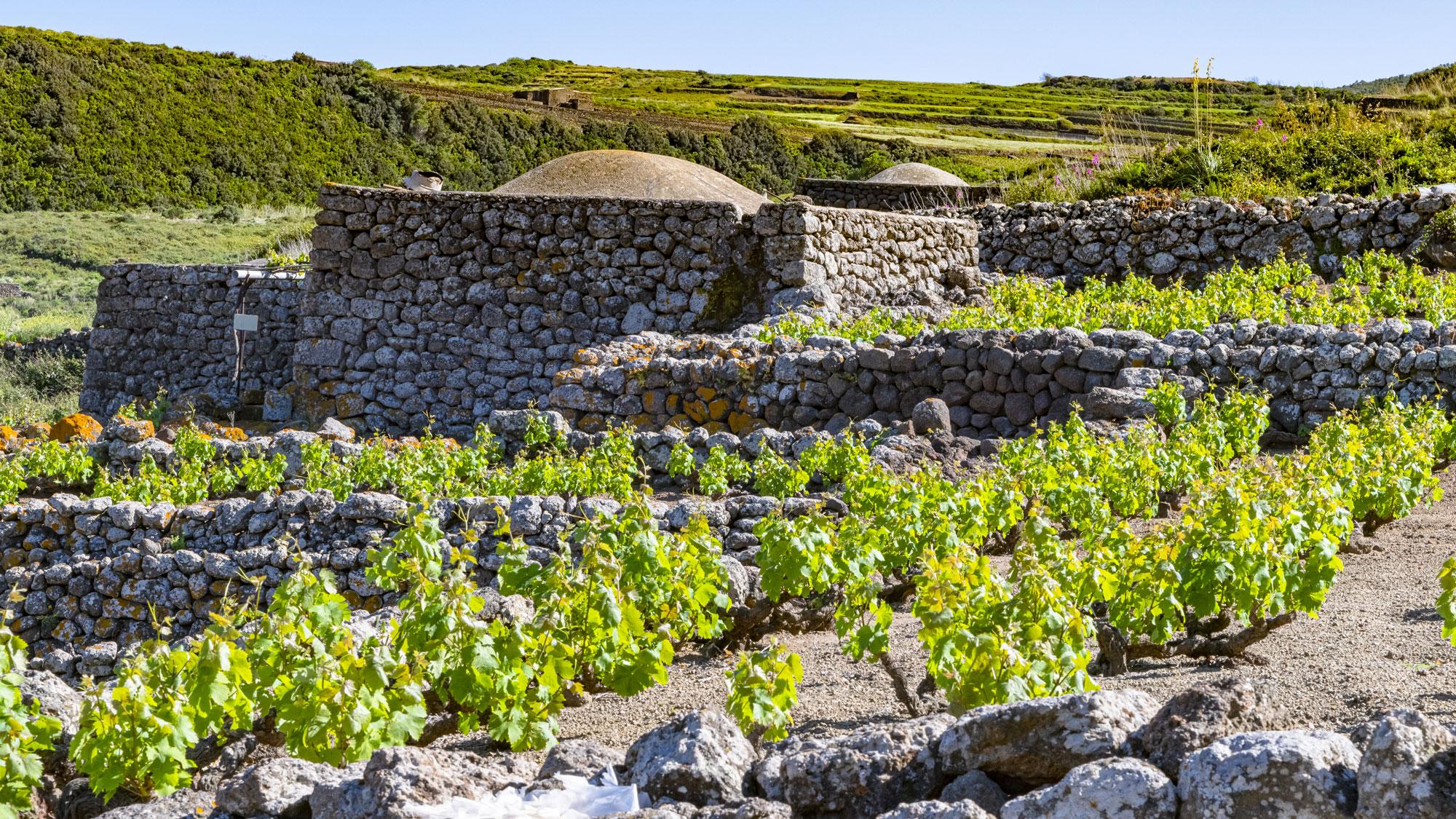
On Pantelleria, the landscape tells a story of adaptation. Wind, limited water resources, volcanic stone and exposure to the sea have shaped distinctive ways of cultivating the land, building and living. Little seems entirely accidental: a wall provides shelter, a hollow protects a plant, a house responds to its surroundings. Understanding the island begins with recognising these solutions, rather than simply admiring its most familiar views.
The traditional vite ad alberello is perhaps the clearest expression of this agricultural intelligence. The vines are trained low, within hollows dug into the ground, and maintained through practices developed to respond to demanding climatic conditions. In 2014, UNESCO inscribed this cultivation method on its Representative List of the Intangible Cultural Heritage of Humanity, recognising the knowledge and skills transmitted within the local community. unesco.it
The recognition concerns an agricultural practice, not a wine label or commercial designation. This distinction matters in wine tourism. The value of a visit lies not only in tasting the finished wine, but in understanding the work behind it. Walking through small vineyards, observing cultivation methods and listening to a grower can reveal the landscape as a living system rather than a picturesque setting.
Rural architecture offers another perspective on the island's relationship with its environment. Traditional dammusi, terraces and stone walls contribute to Pantelleria's distinctive identity, yet their significance extends beyond appearance. In contemporary hospitality, restoring a traditional building should involve respecting its character, carefully considering interventions and balancing comfort with responsible resource management.
For discerning international travellers, Pantelleria offers an alternative to a definition of luxury based on an ever-expanding collection of amenities. Meaningful experiences may emerge from exploring agricultural heritage, discovering cuisine shaped by local ingredients, enjoying the quiet of a thoughtfully restored rural residence or spending time with people whose knowledge comes from working the land.
Sustainability, however, should never be assumed from the beauty of a landscape or the age of a tradition. Protecting agricultural practices, managing water, maintaining buildings and engaging with local communities require demonstrable decisions. Equally, traditional cultivation does not automatically mean certified organic production. Both deserve accurate and transparent communication.
Pantelleria ultimately suggests that the privilege of staying somewhere extraordinary also carries an invitation to understand it. The most compelling hospitality does not turn a destination into something to be consumed quickly. It creates the conditions for a respectful encounter. Here, luxury may simply mean recognising the intelligence behind what appears essential.