 STRATEGIC HOSPITALITY & DESTINATION ADVISORY
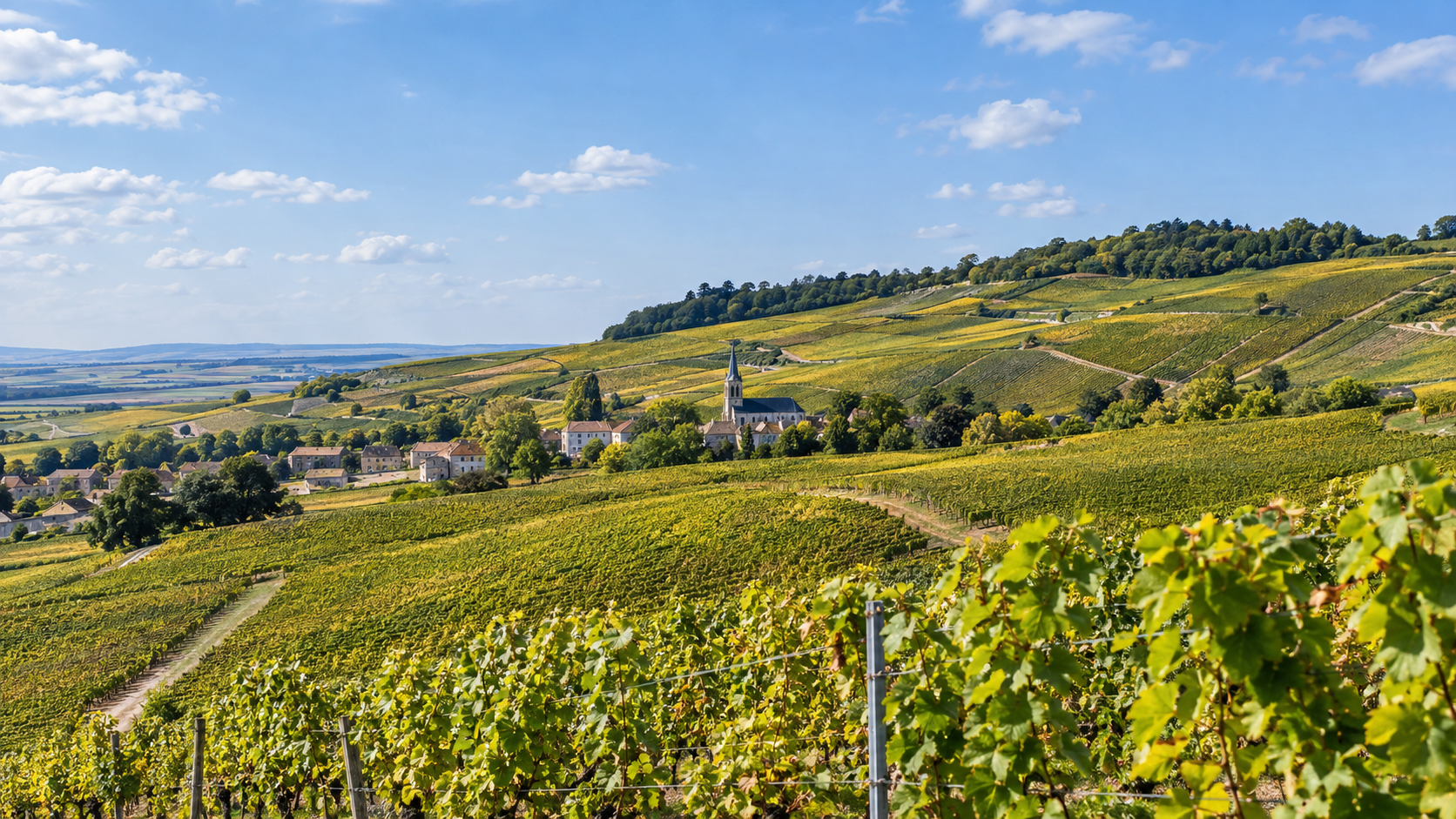
Champagne is one of the world's most recognisable wine destinations. Its name evokes celebrations, prestigious Houses and an image of elegance that has become universal. Yet understanding its identity requires looking beyond the bottle to everything that comes before it: the landscape, vineyard cultivation, cellar craftsmanship and, above all, time.
Around Hautvillers, Aÿ and Mareuil-sur-Aÿ, vineyards follow the contours of the hills, revealing a centuries-old relationship between agriculture and local communities. In 2015, the Champagne Hillsides, Houses and Cellars were inscribed on the UNESCO World Heritage List. The designation recognises an interconnected cultural and productive landscape, bringing together vineyards, winemaking facilities and commercial centres. Champagne is therefore more than a celebrated wine: it is a territory whose identity has been profoundly shaped by its production.
Some of its most remarkable heritage lies beneath the surface. In Reims, former chalk quarries became spaces for ageing wine, while the underground cellars of Épernay reflect the continuity of a distinctive winemaking tradition. Entering these places offers an experience that needs little theatrical enhancement. Temperature, silence, architecture and the gradual process of maturation provide a different perspective on what quality truly means.
Geology also plays an essential role. Much of Champagne's subsoil is limestone-based, including chalk formations that retain water and help regulate moisture availability to the vines. Chardonnay, Pinot Noir and Meunier find different expressions across the appellation's diverse growing areas. Understanding these variations invites travellers to move beyond the language of prestigious cuvées and appreciate the decisions made in vineyards and cellars.
For discerning wine travellers, the value of an experience is not necessarily determined by access to the most exclusive tasting. It may emerge from a private visit built around a particular theme, a conversation with an independent grower, an opportunity to compare different interpretations of the same landscape or simply the freedom to explore without a crowded itinerary.
Sustainability deserves equal consideration. Responsible hospitality cannot be measured solely through a Champagne House's environmental statements. Visitor management, heritage preservation, relationships with local communities and transparency about agricultural practices all contribute to the long-term integrity of the destination. Thoughtful hospitality should strengthen the value of a place rather than reduce it to a series of consumption opportunities.
Champagne ultimately offers a lesson that reaches far beyond wine: true luxury is not always about having more, but about having the time to understand something exceptional. In an increasingly accelerated world, the rarest privilege may be a silent cellar, an unhurried conversation or a landscape that continues to thrive long after its visitors have departed.